
Mindfulness with the Majestics
MSU 4-H Animal & Veterinary Science Summer Camp - July 2026MICHIGAN STATE UNIVERSITY - 4-H
ANIMAL & VETERINARY SCIENCE CAMP
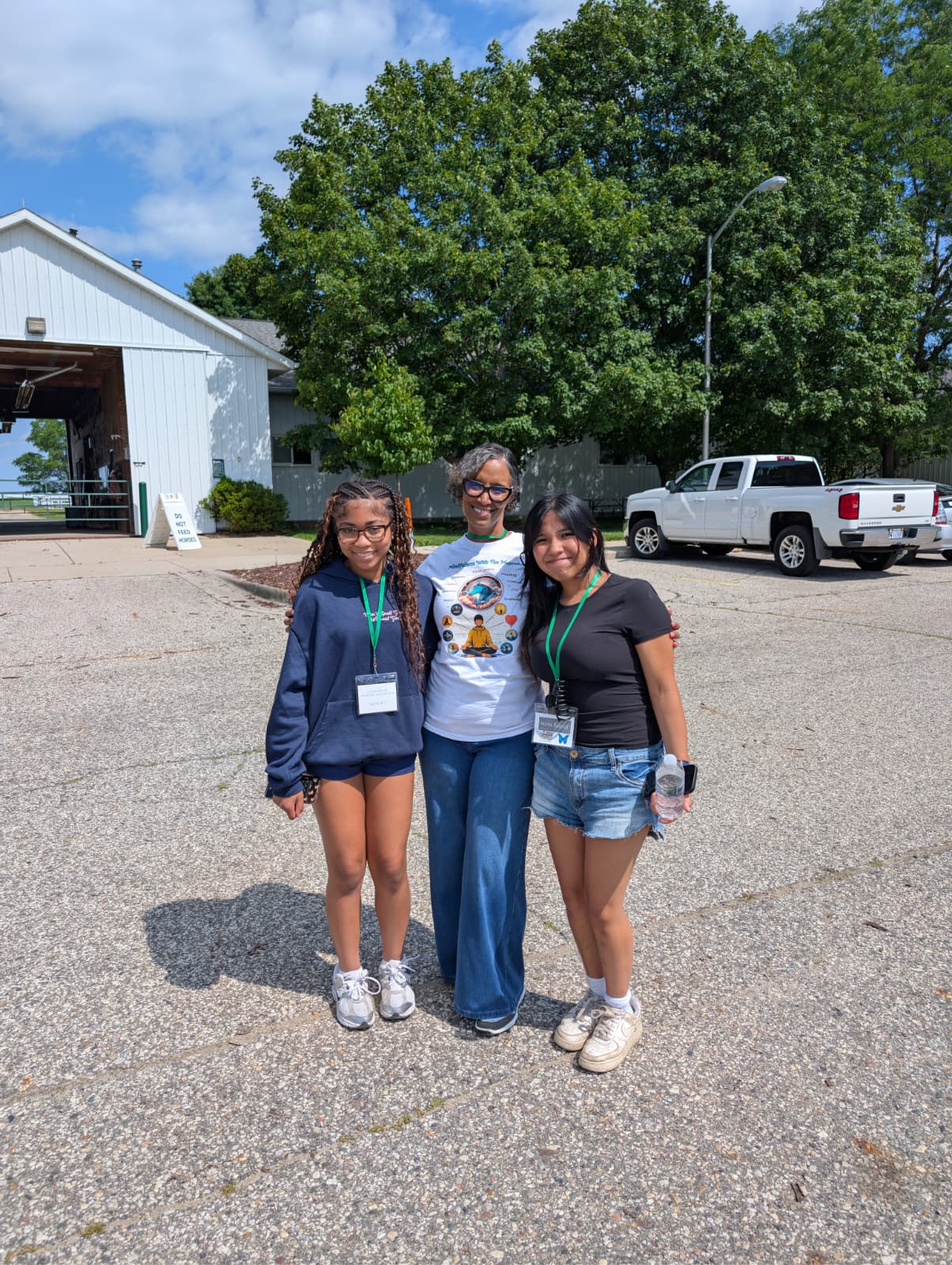
As we've done since 2024, WIF partnered with Mindfulness and S.T.E.A.M. Lab to deliver mindfulness training to high school students attending the Michigan State University (MSU) - 4-H Animal & Veterinary Science Camp.
Because mindfulness is vital to a veterinary professional's mental well-being, WIF believes that teaching these practices to aspiring Black and Latino youth is just as important as connecting them with diverse role models in the field.
This year, we introduced Mindfulness with the Majestics—a groundbreaking, innovative wellness initiative that integrates the therapeutic benefits of sound bowls and equine-assisted activities to support mental health and overall well-being—to the students attending summer camp.
SHALTREECE CHANDLER
Camp Session 1 ran from July 6-7, 2026 (60 students), and Camp Session 2 ran from July 8-9, 2026 (50 students).
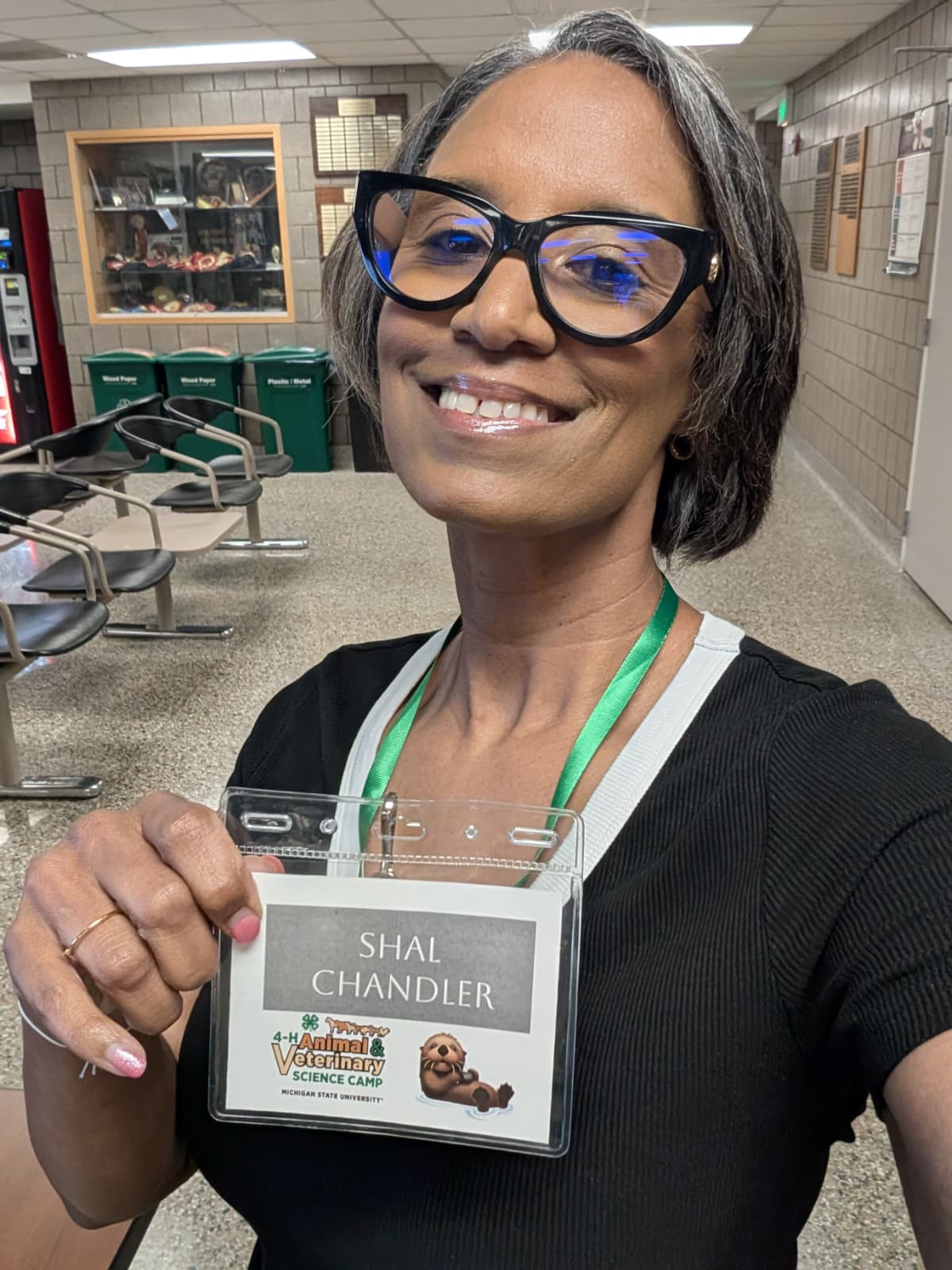
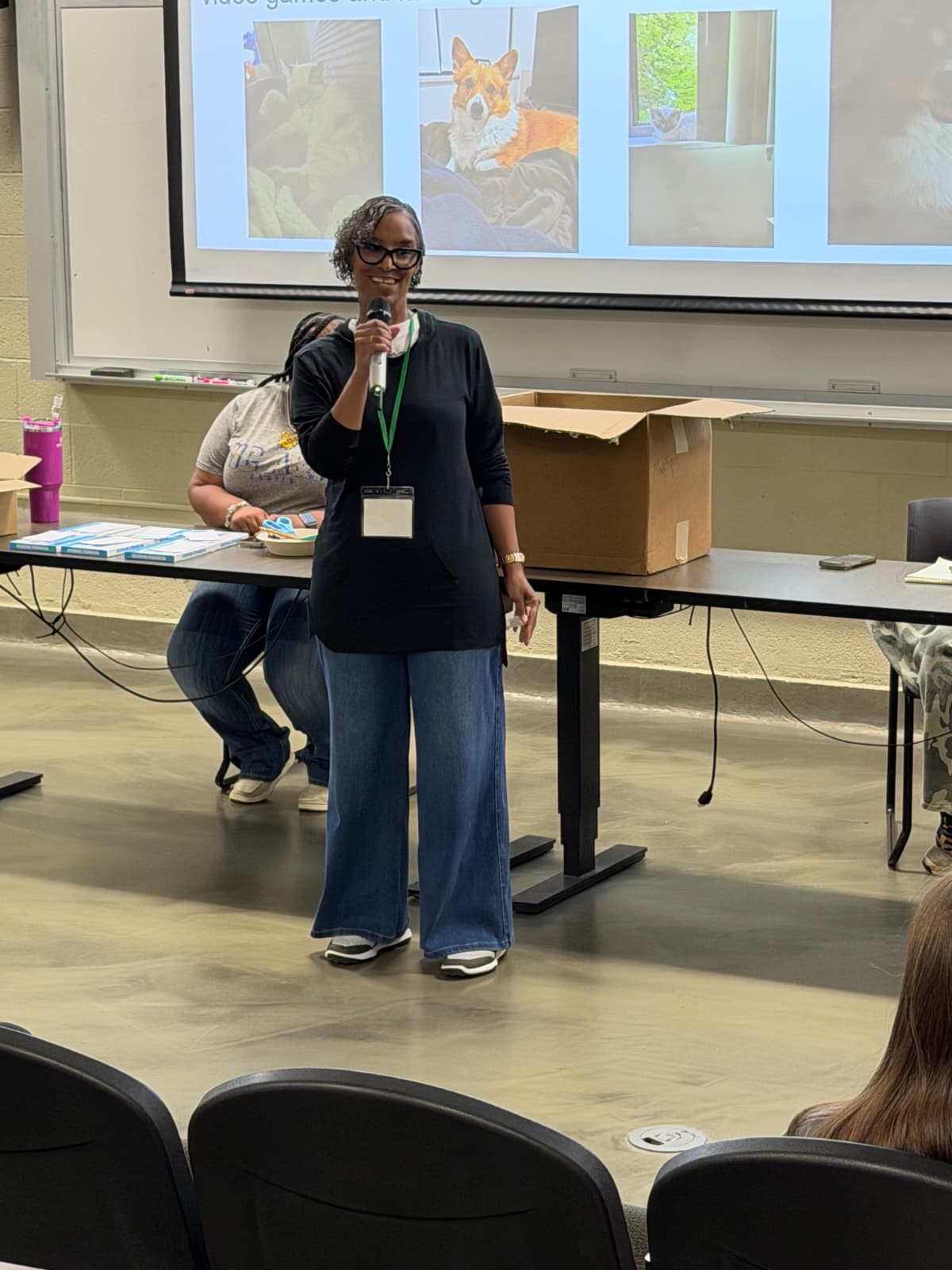
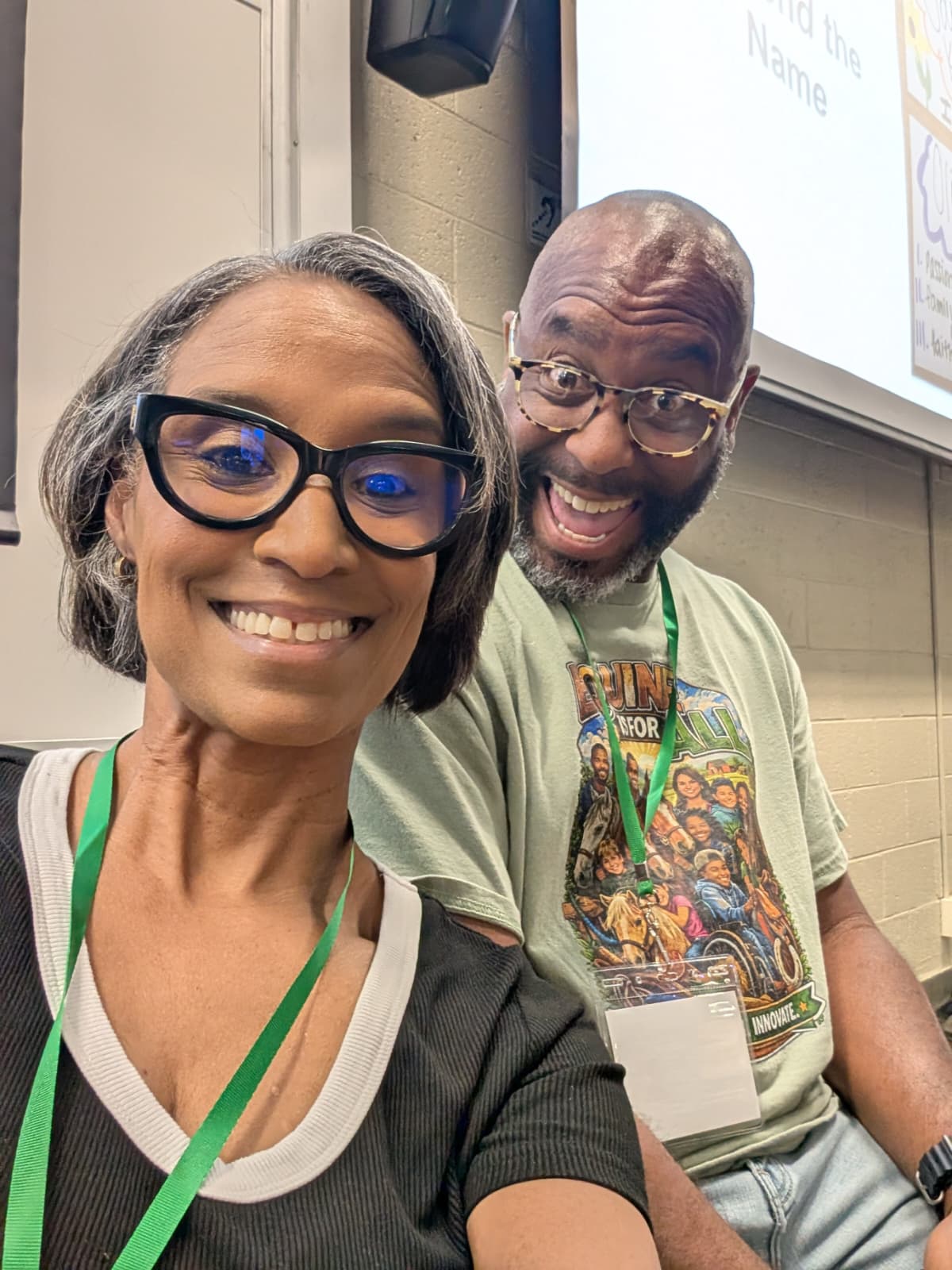
Shaltreece Chandler, WIF's Development Volunteer, represented WIF at both sessions.
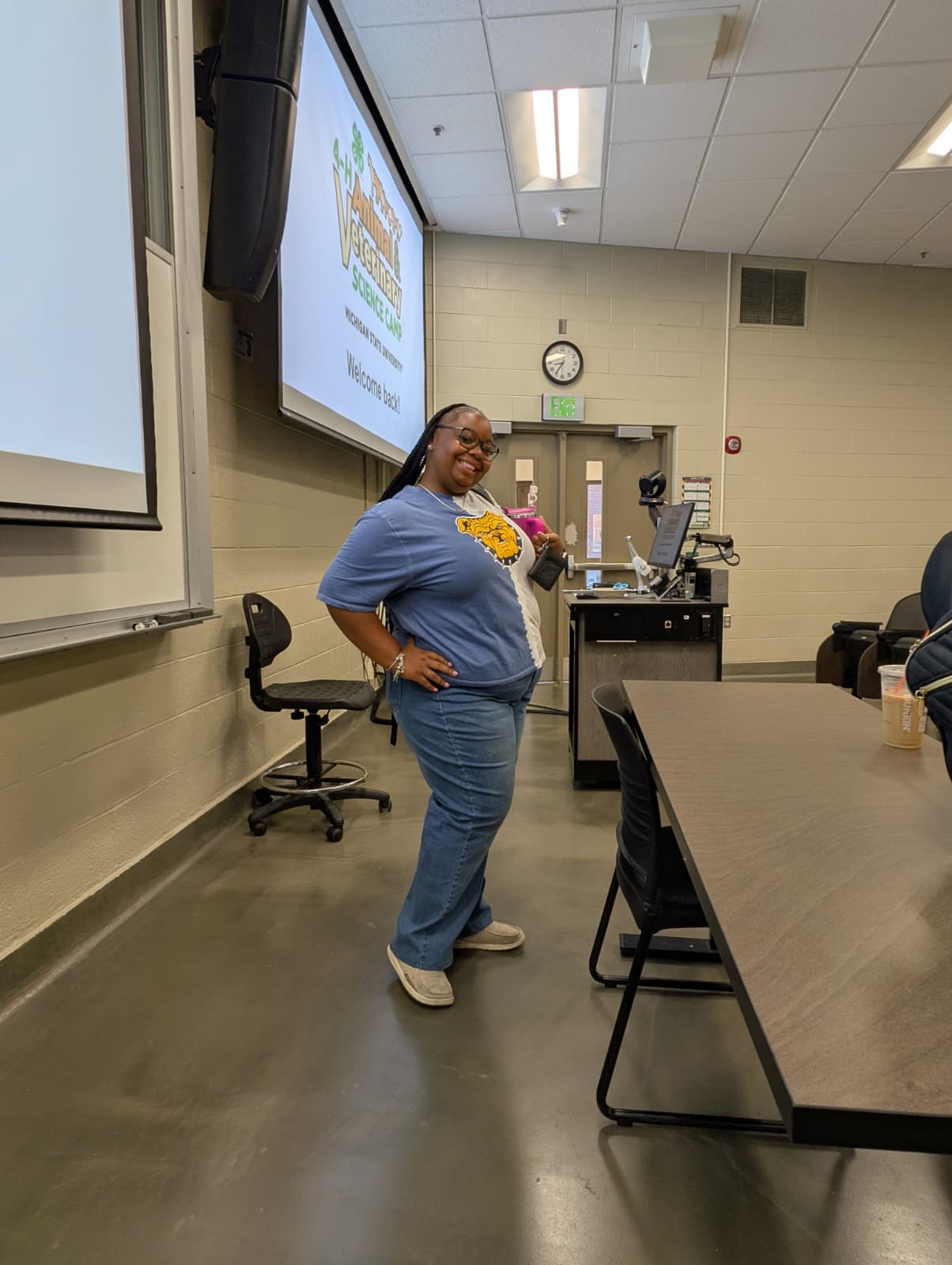
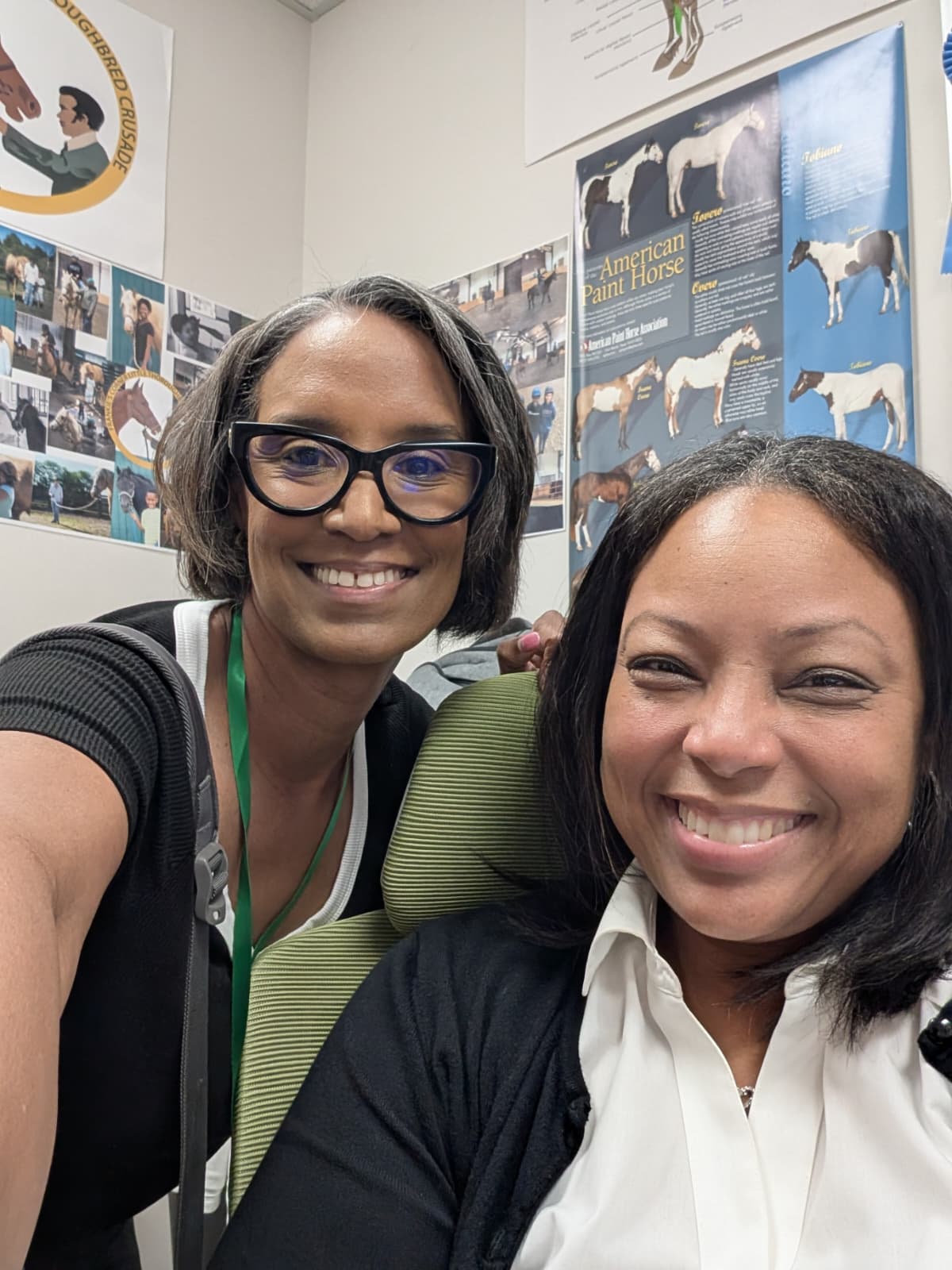
This year, she was assisted by Jaileea Knight, a summer intern from North Carolina Agricultural & Technical State University (NCAT). Jaileea is among the most recent undergraduate students to benefit from the ongoing partnership between MSU’s College of Agriculture and Natural Resources (CANR) and NCAT that addresses issues of underrepresentation and inequality in higher education.
MSU STAFF
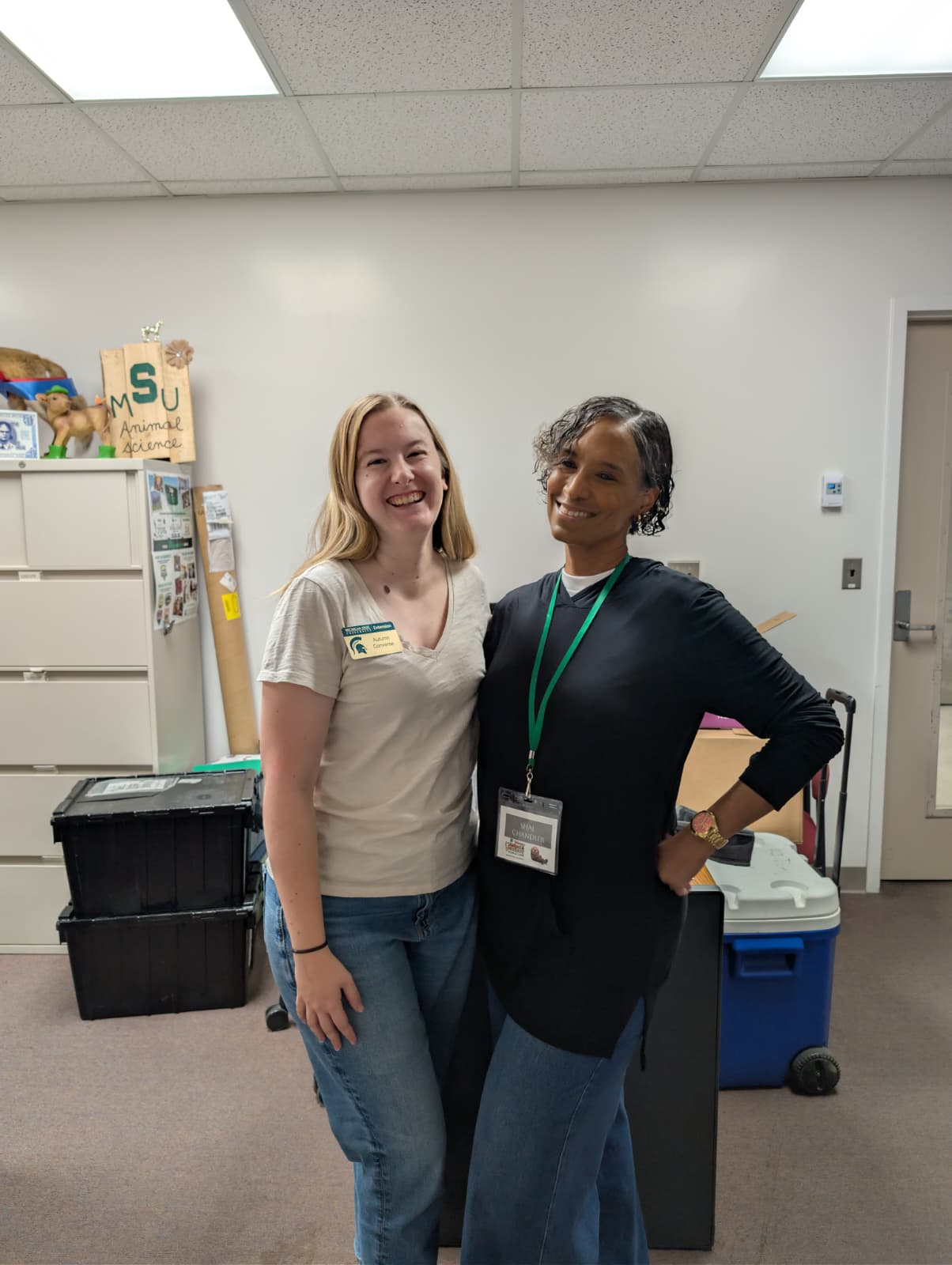
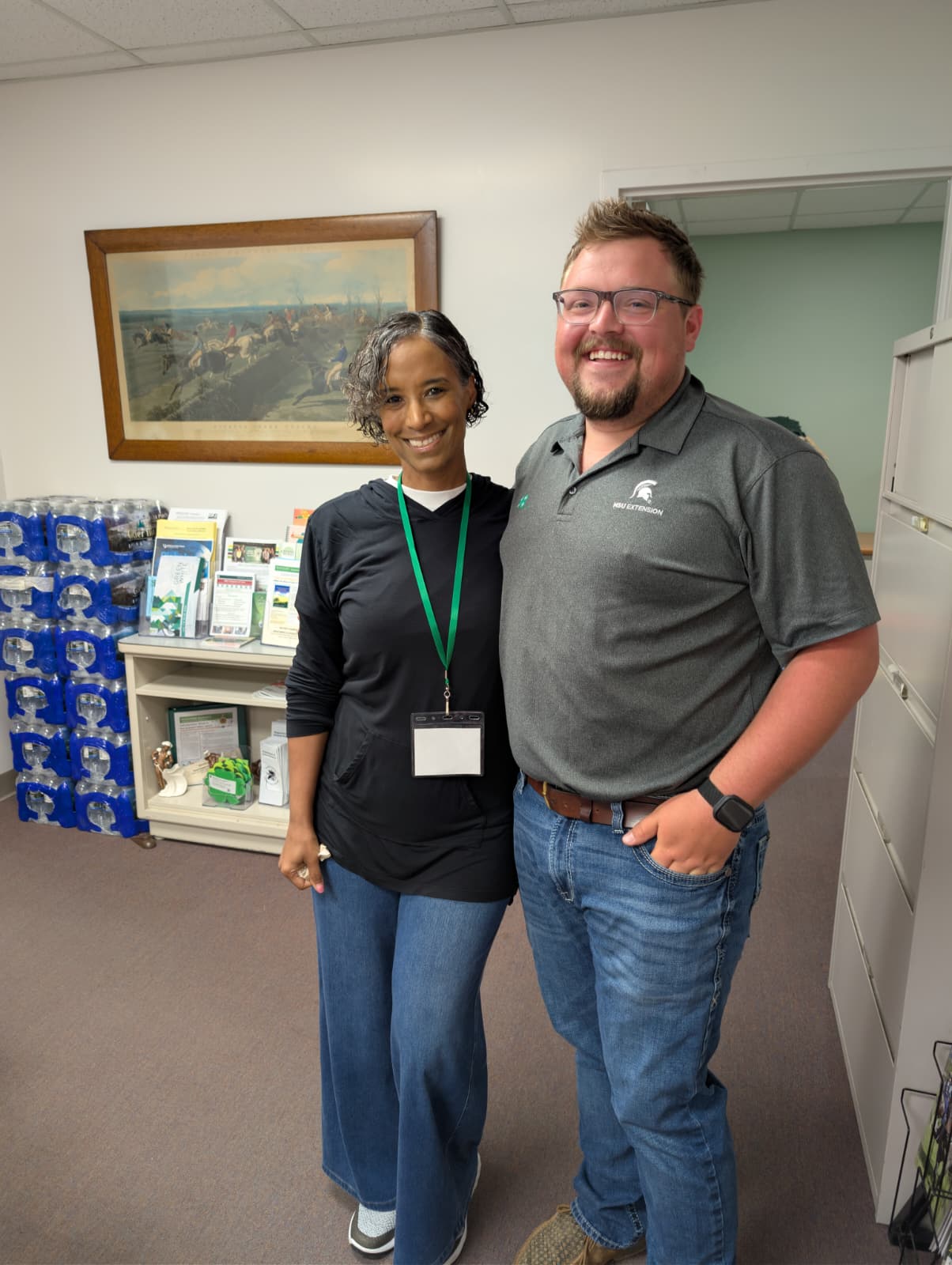
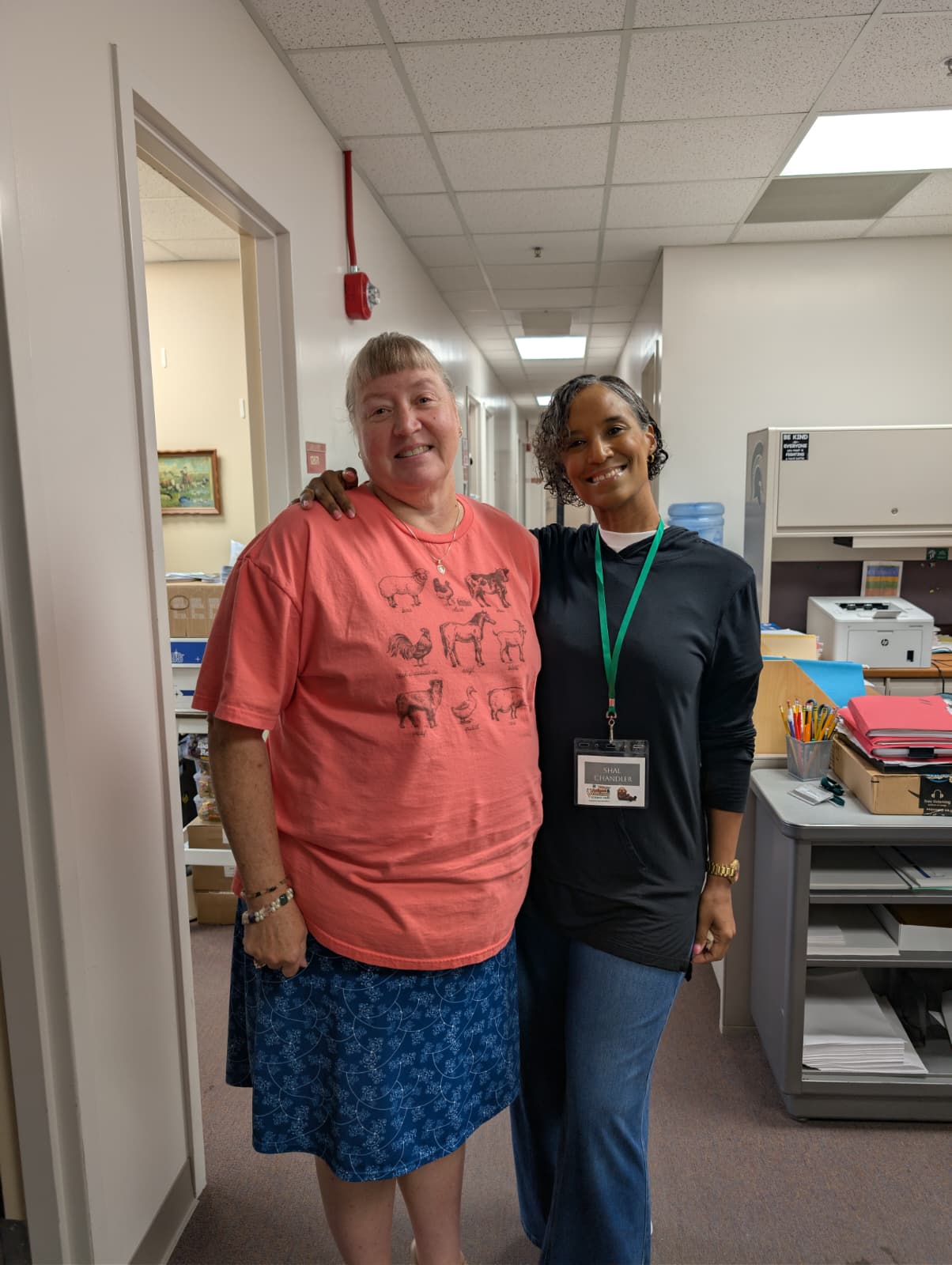
For the third consecutive year, Shal met in person with 4-H Livestock and Veterinary Science Educator Autumn Converse, MSU Statewide Program Instructor Jermo Reese, and other members of MSU's staff.
Additionally, she met Kea Norrell-Aitch, a statewide Michigan State University Extension educator who specializes in mental health and emotional wellness, for the first time.
Kea participated in the pilot session for Mindfulness with the Majestics at MSU Extension last year.
EQUINE-ASSISTED LEARNING
Due to a power outage, Camp 1 students were not able to physically interact with horses in the controlled setting that had been planned.
So, session facilitator Jermo took them on a field tour instead. He instructed them how to observe non-verbal cues among all the horses on the farm so they could identify the leader of the herd.
Upon returning to the classroom, students talked about the behaviors they had seen. Building upon these observations, Jermo led them in a discussion of how they notice and react to human nonverbal cues—body language.
During Camp 2, veterinary students who served as camp counselors talked with the students about compassion fatigue, followed by Jermo introducing the idea of listening to sound bowls to intentionally shift one's emotional state.
The vet students walked horses around the barn while sound bowl tones from a speaker filled the air. Students were instructed to watch the behavior of the horses and then allowed to groom the horses. Jermo played the sound bowl tones again, called out some of his observations on the horses' behavior, and then talked with the students about how the sound bowls affected them.
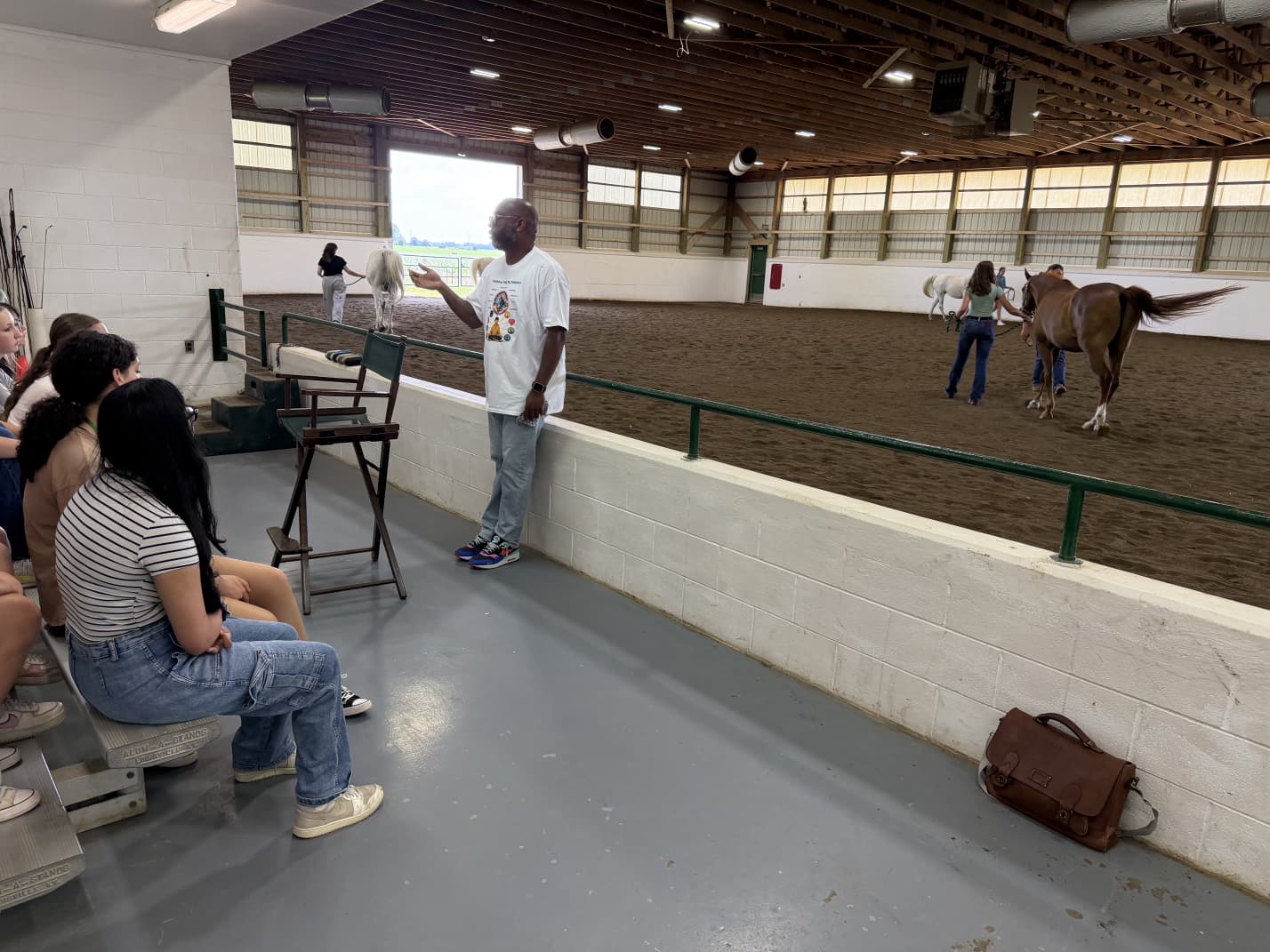
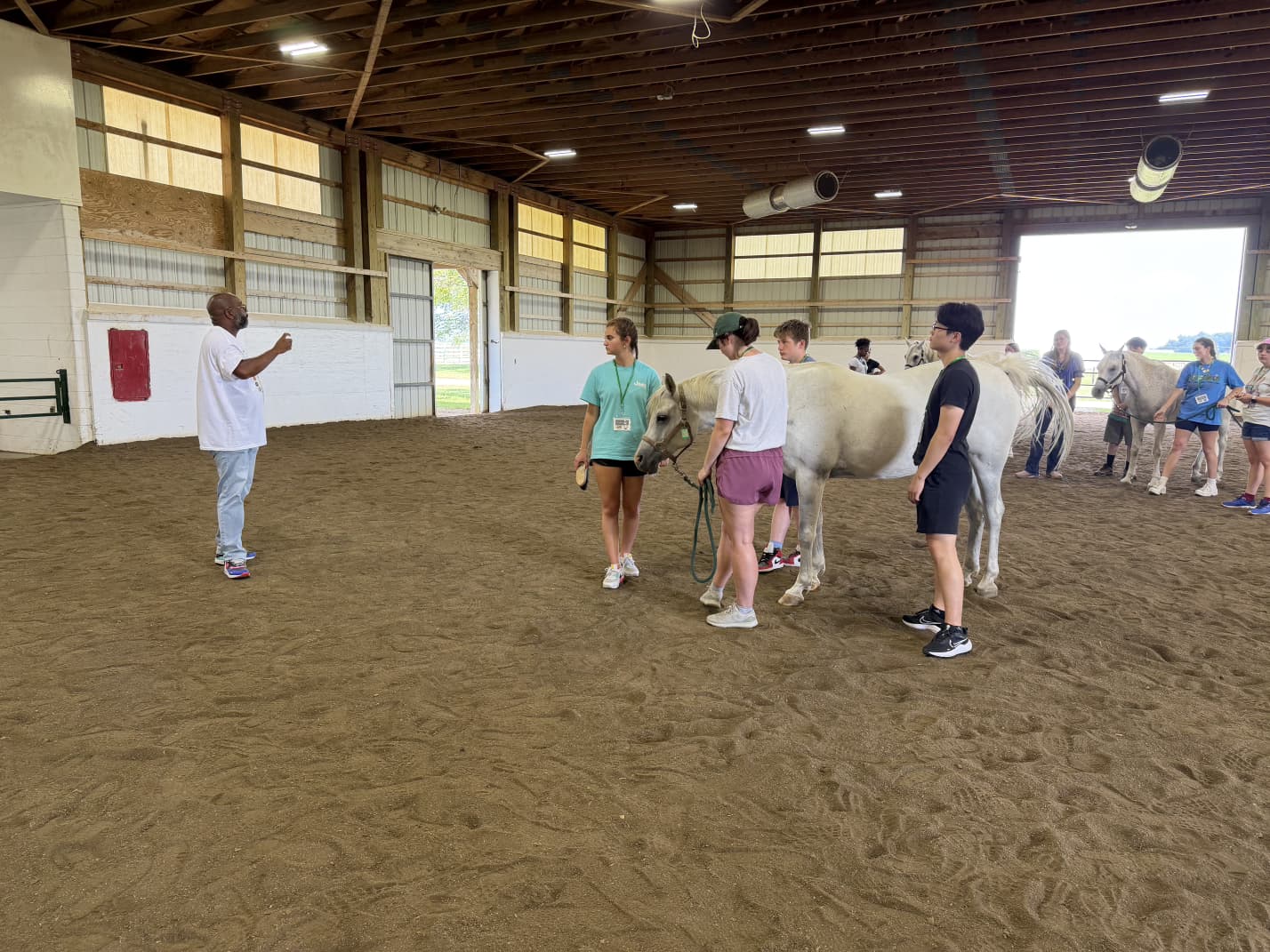
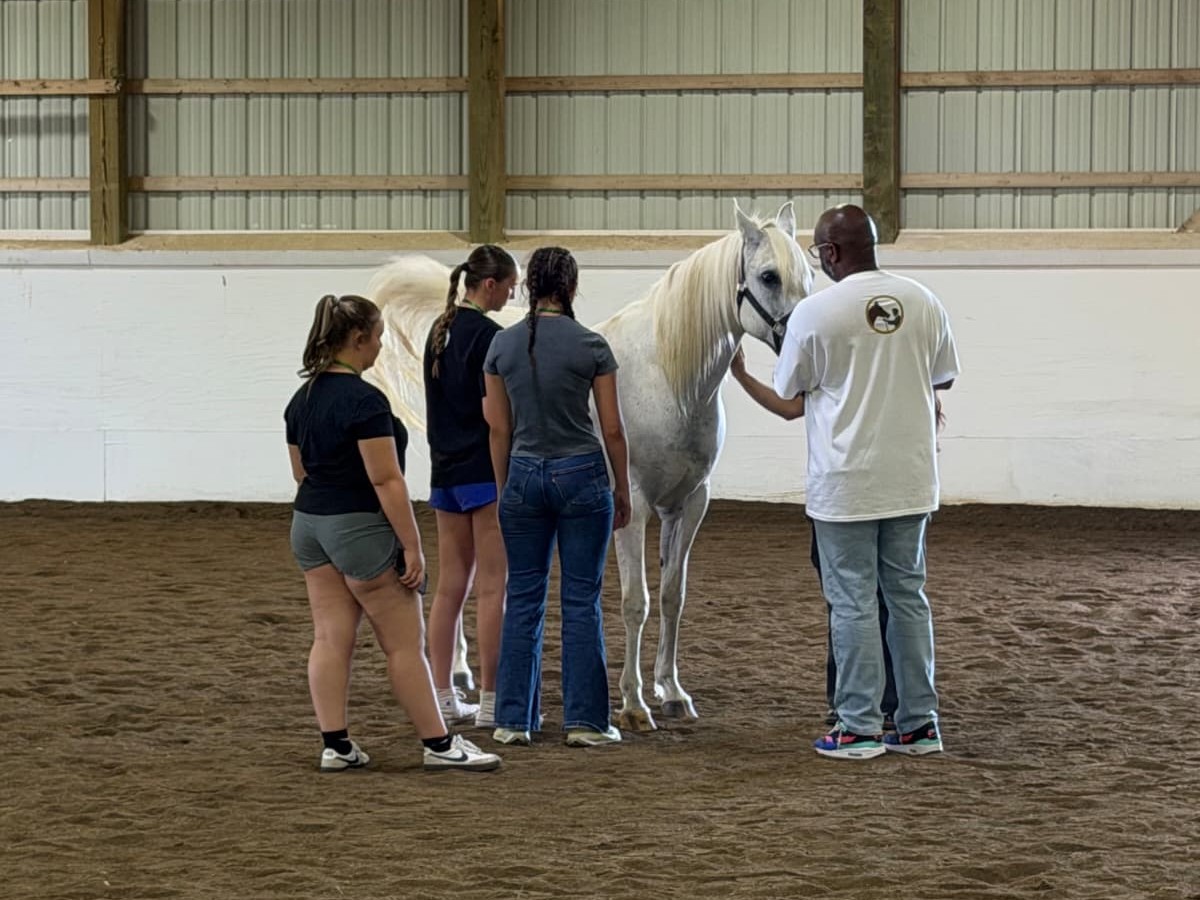
One of the high school students was trained in classical violin. She asked about the frequency at which the bowls were played, which led to a conversation about symphonic music and how it compared to the ringing of sound bowls.
Jermo then led a discussion about how, even without access to sound bowls, students could find sounds in their environment that could calm them.
MINDFULNESS PRACTICE
Shal and Kea led the first mindfulness session this year, and Shal led the second session alone.
Summer intern Jaileea assisted with both.
Each camp session began with an honest conversation about the mental health struggles facing veterinary professionals, bringing necessary attention to high rates of emotional burnout and suicide within the field.
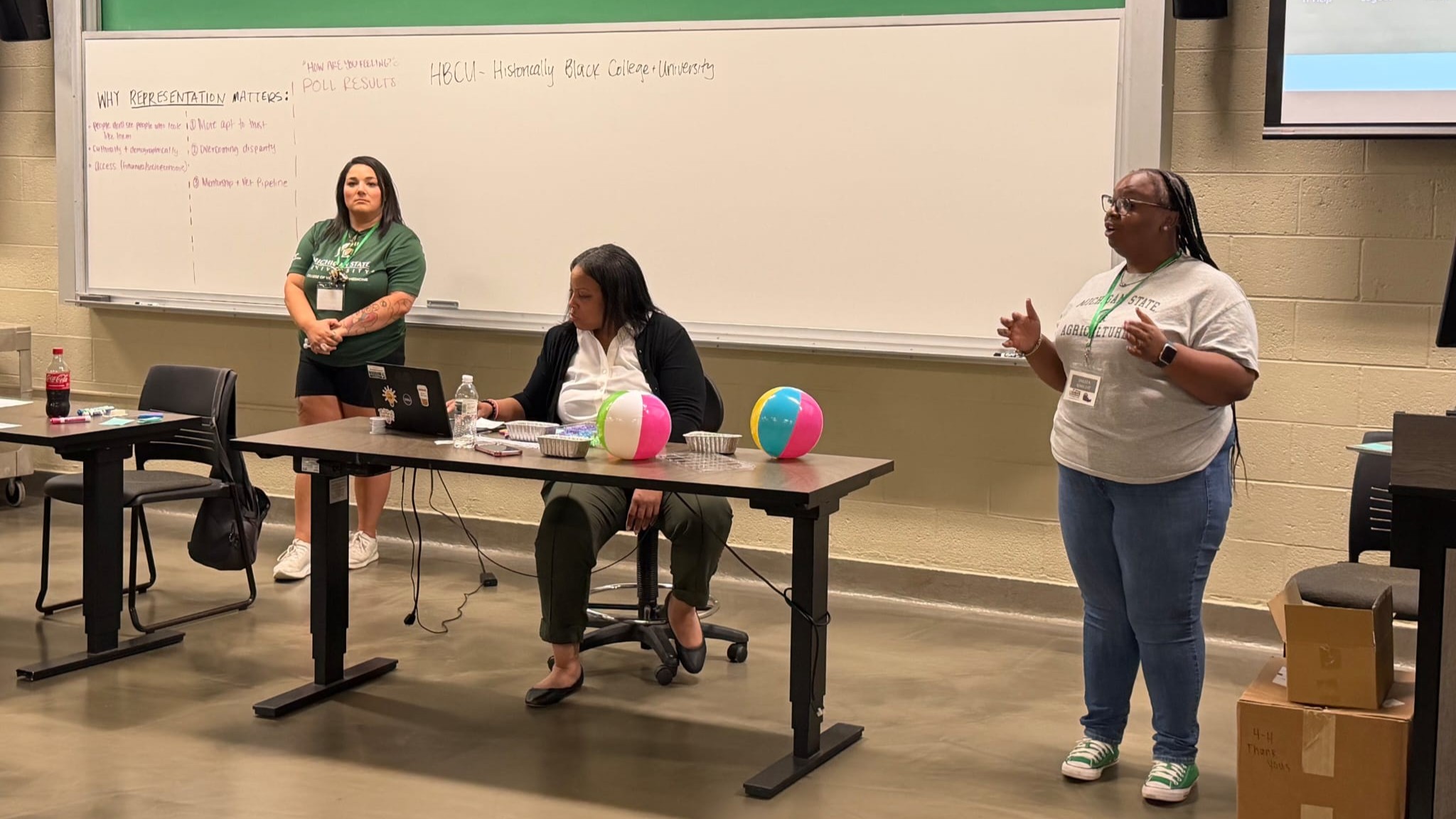
Students were asked to respond to a poll on how they were feeling at that moment. Afterward, they had the opportunity to make a bead bracelet that represented their emotions. They wore these bracelets for the rest of the camp.
Following this creative activity, the students engaged in a beach ball story toss. Each color of the beach ball was assigned a question. Three dealt with positive emotions and three dealt with resources students felt they could call upon when they experienced emotional stress.
Every student was asked to participate, and no duplicate answers were allowed. This widened the diversity in responses and depth of discussions.
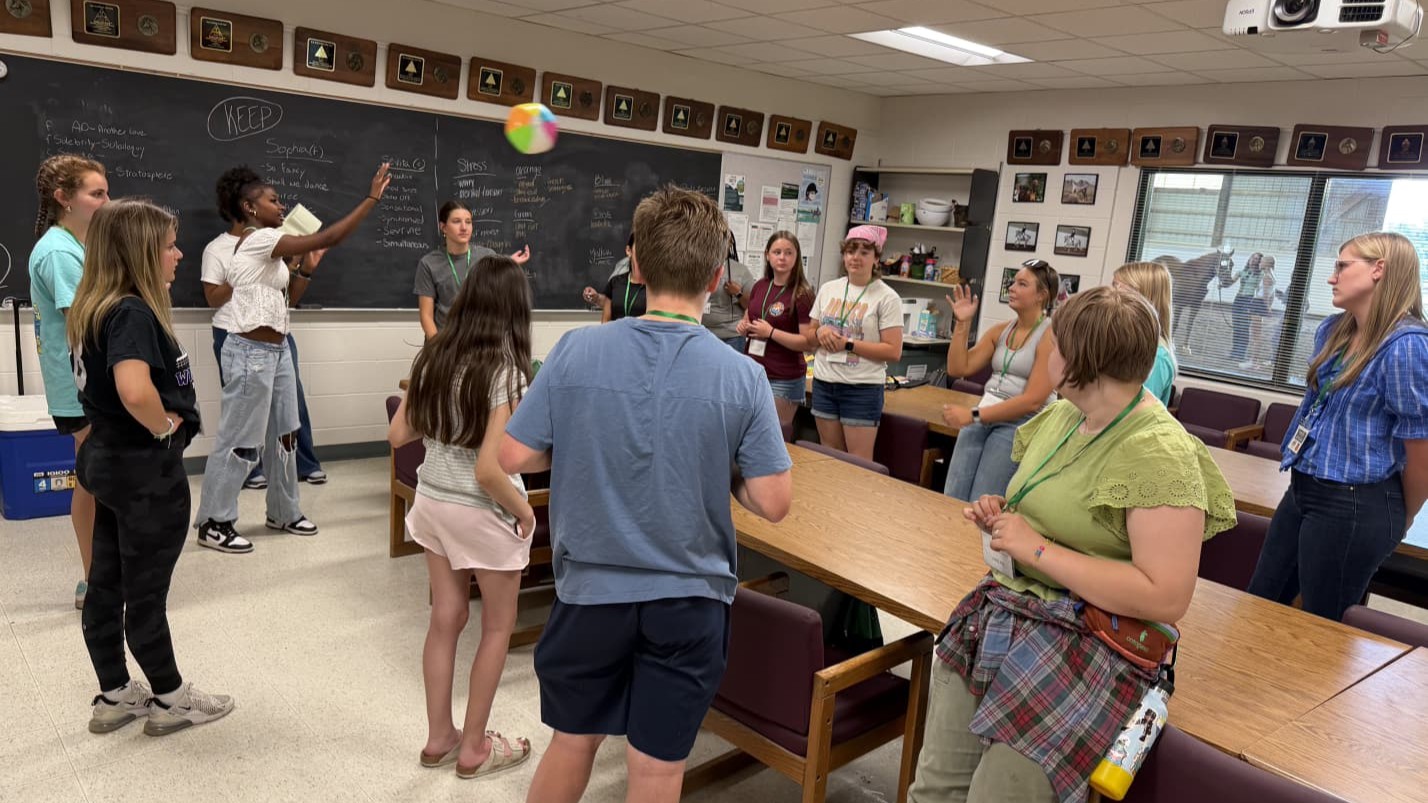
Kea impressed upon the participants that they should wait no longer than 2 weeks to seek help dealing with stress and/or depression. She told them they should seek help immediately if they experienced thoughts of self-harm.
Throughout the sessions, there was extensive discussion of tools the students could use to release negative emotions. Shal introduced listening to sound bowls as one of these tools, and she played sound bowl tones for the students to demonstrate their effect.
After these sessions, mindfulness themes were reinforced throughout the remainder of camp through real-time reaction to additional emotional pulse checks as well as time allotted each day for mindfulness activities.
WHY REPRESENTATION MATTERS
This year, we introduced the topic of representation as it relates to the field of veterinary medicine and mental health and wellness.
The demographic for the camp sessions was similar to that of the veterinary field. A large majority of the students were White female, and a few were Latino/Latina.
Only three of the 110 student participants (two female and one male) were Black.
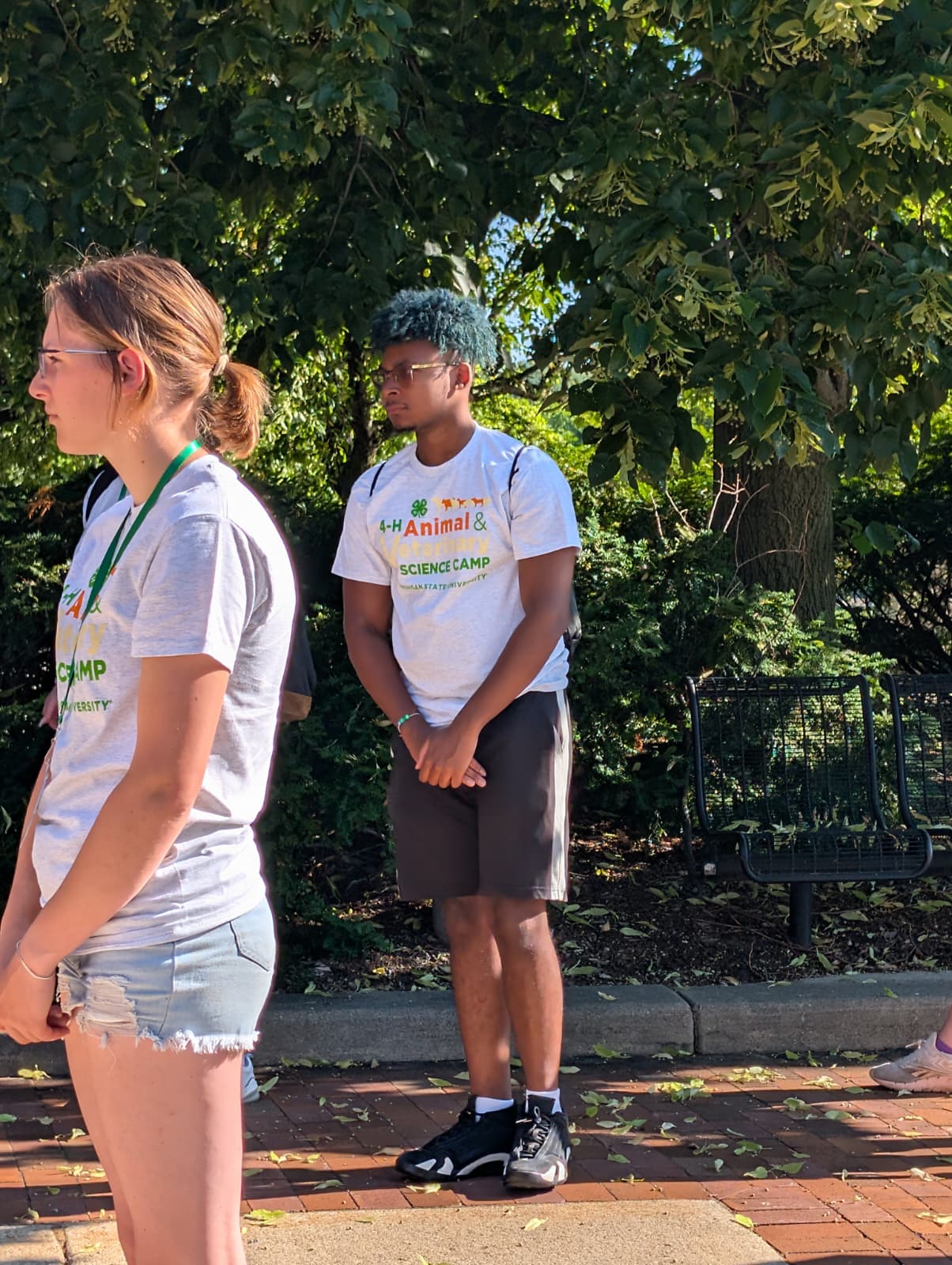
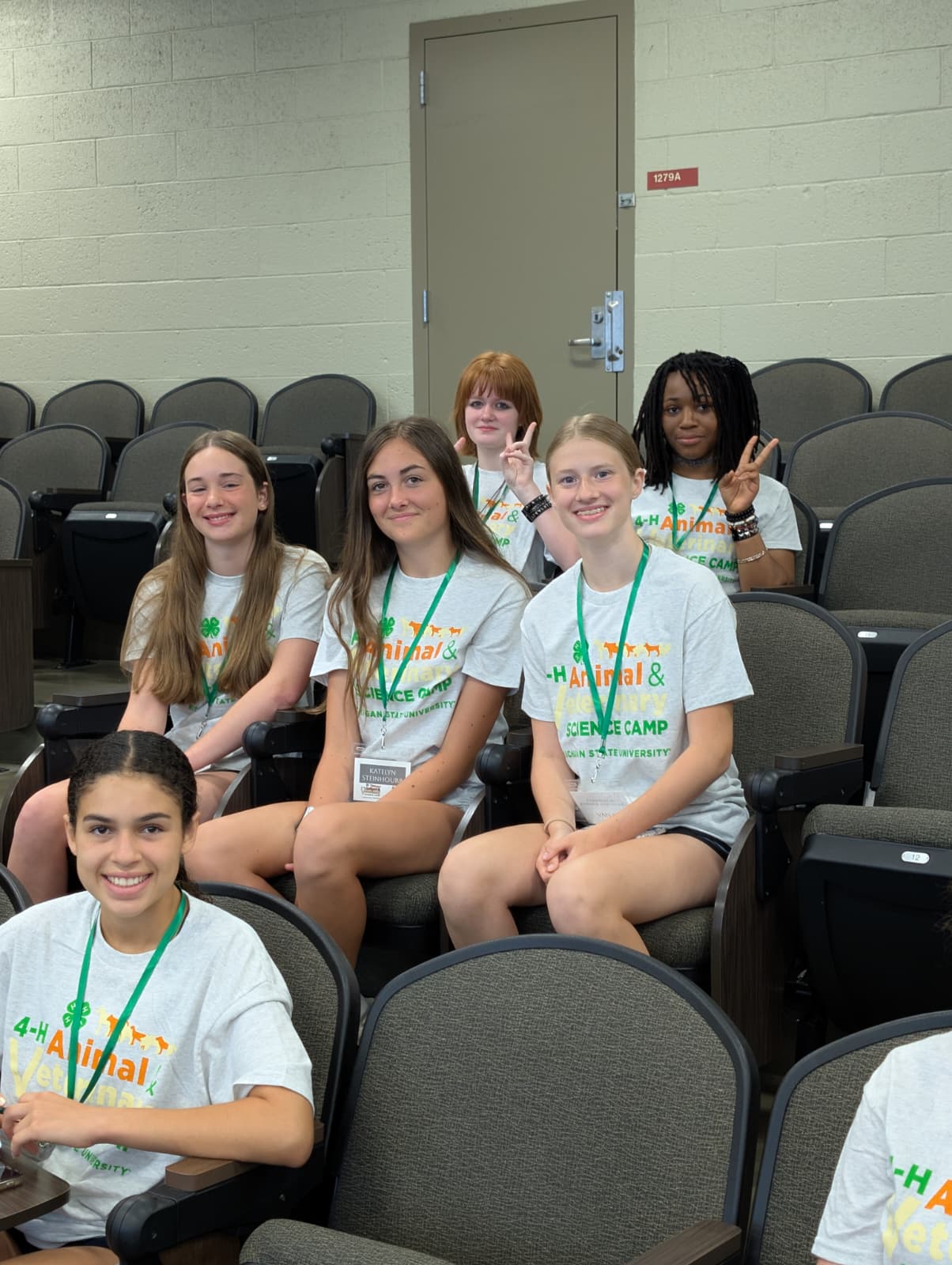
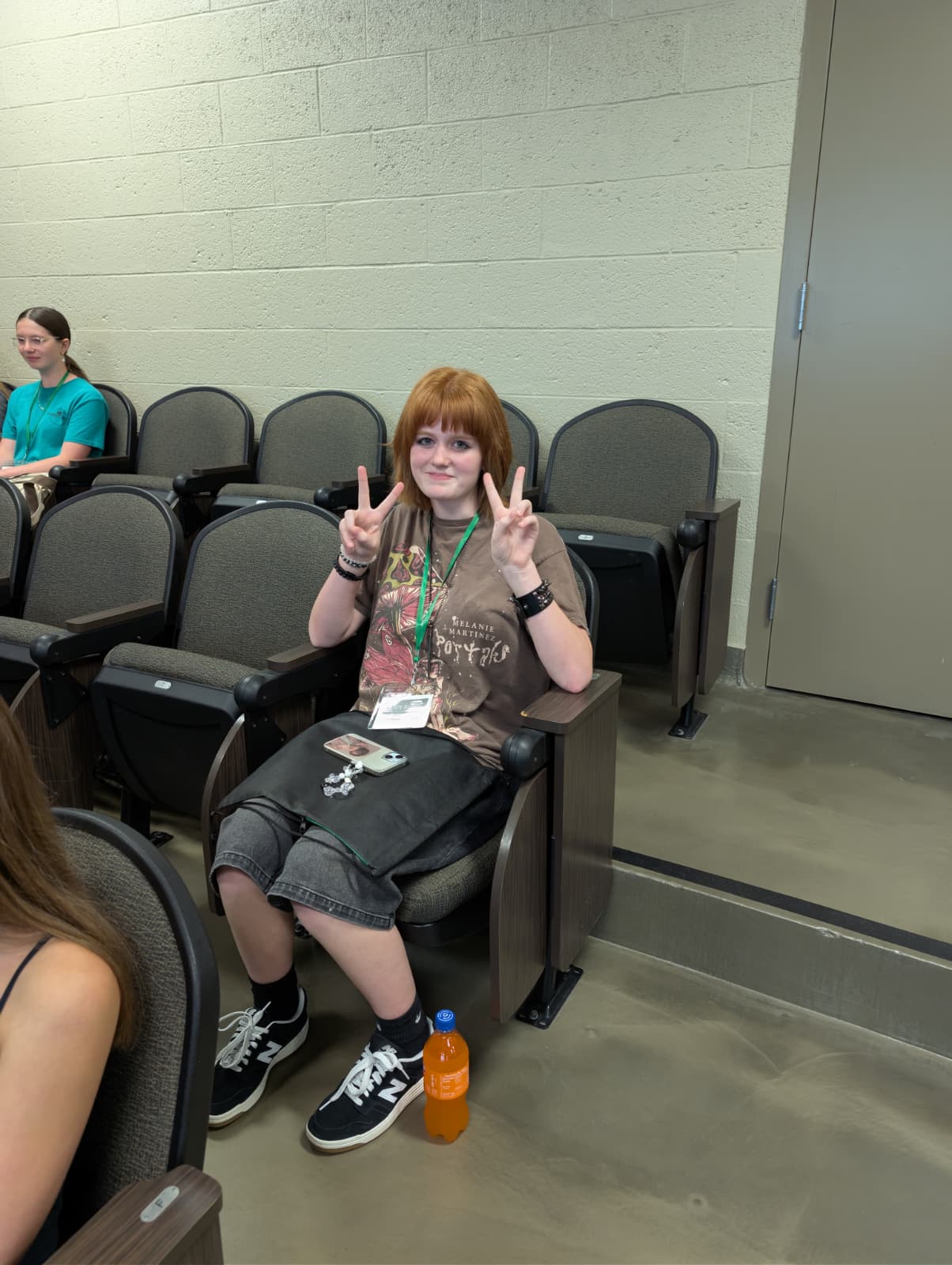
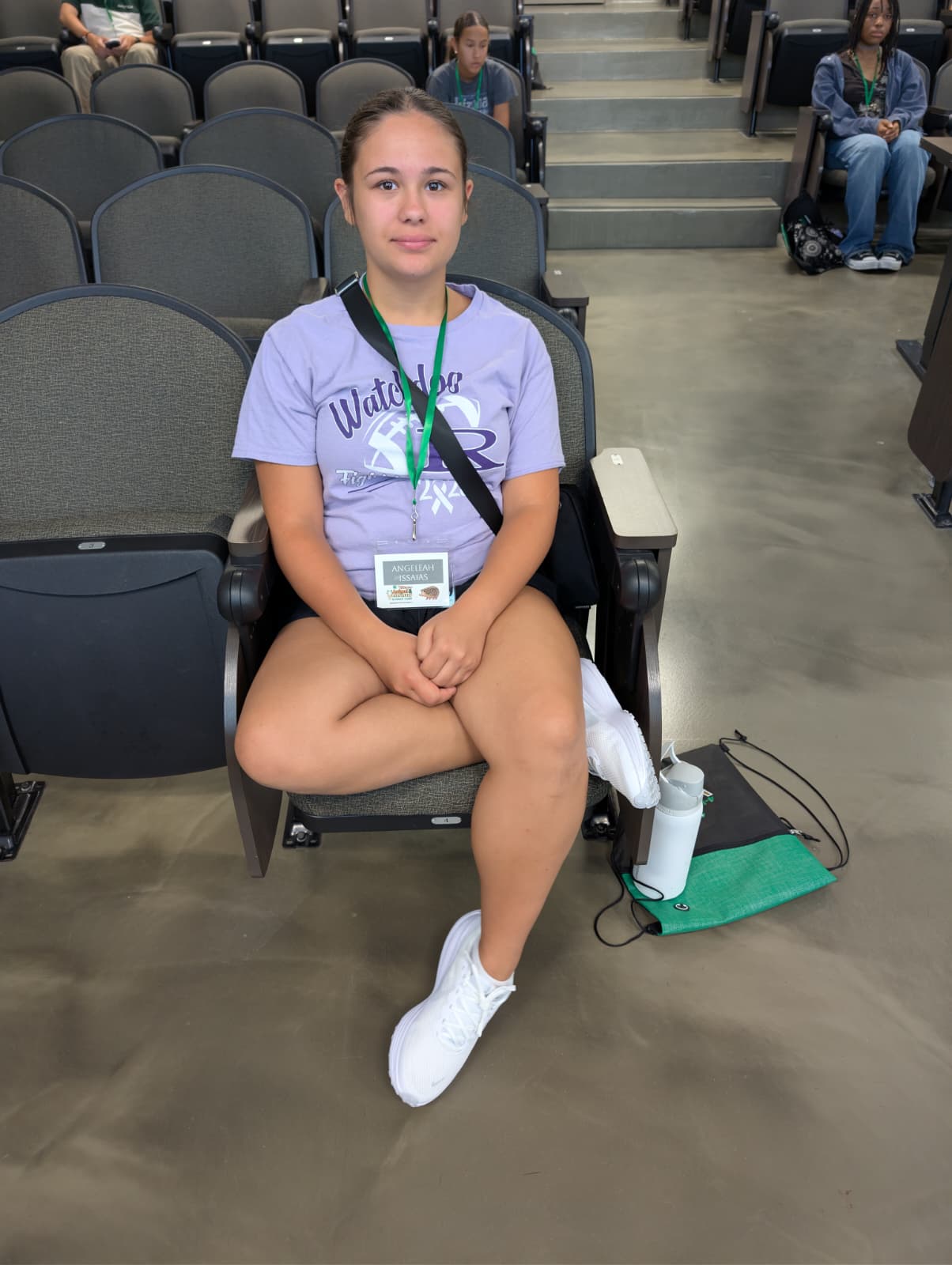
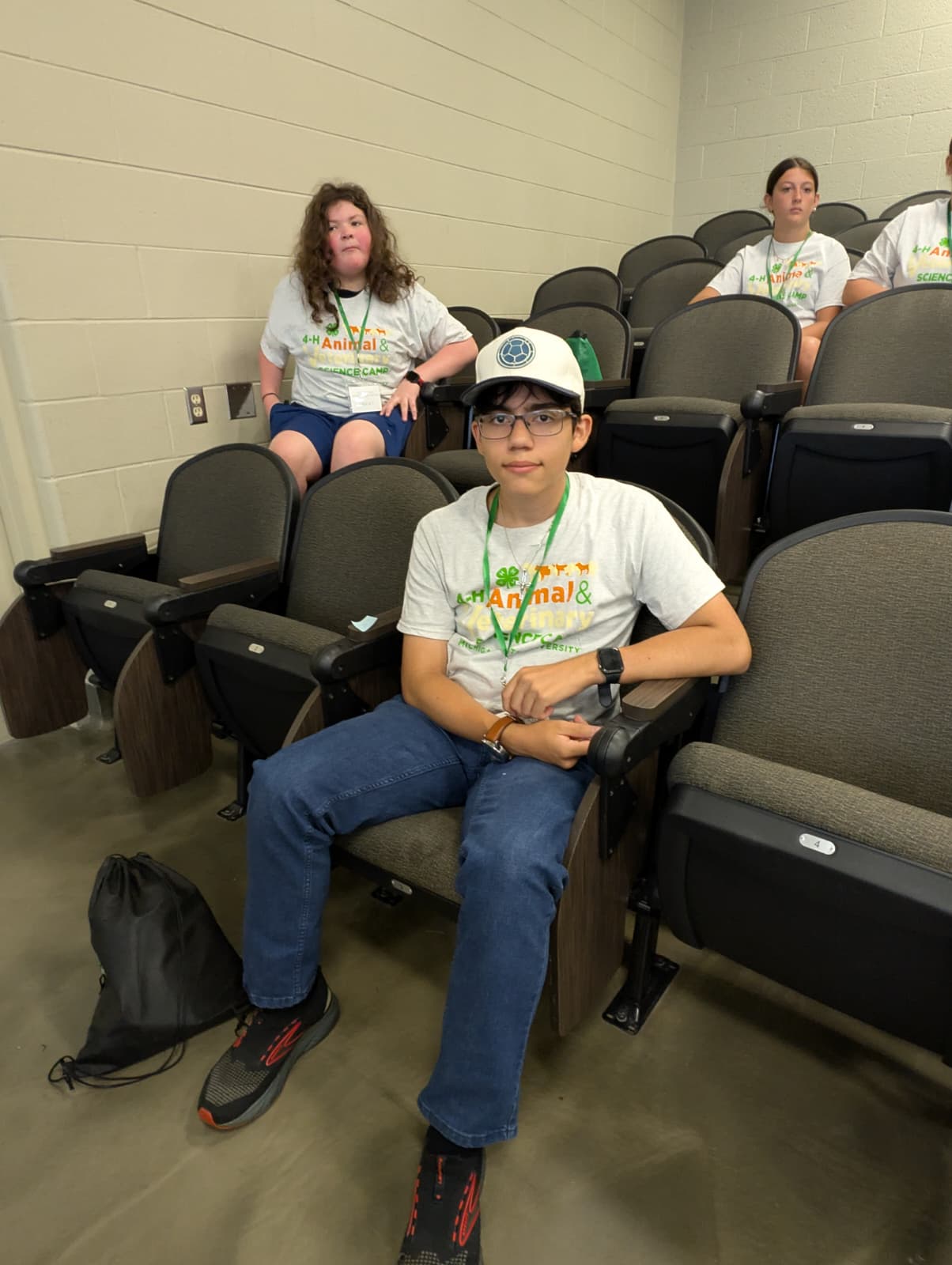
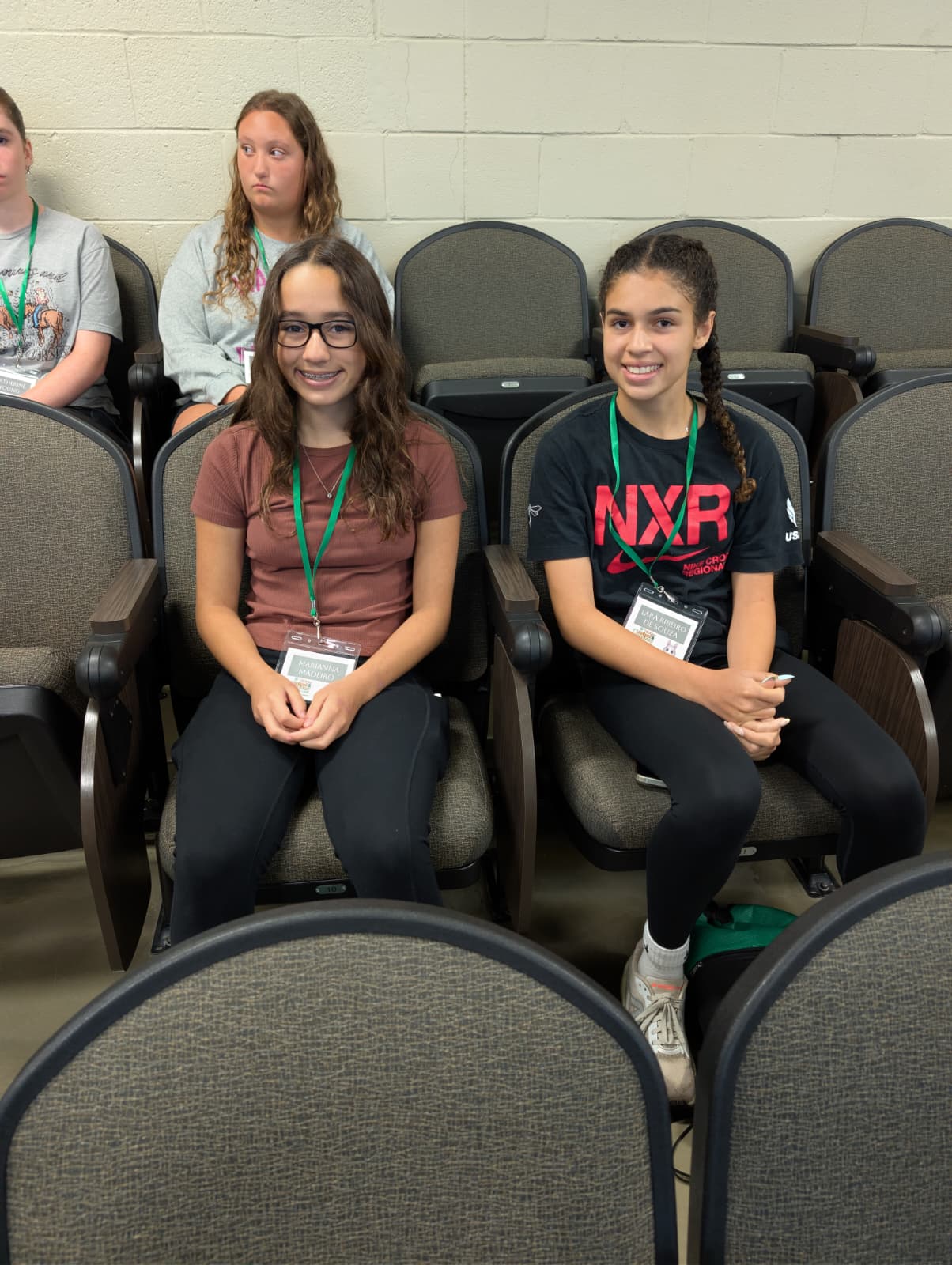
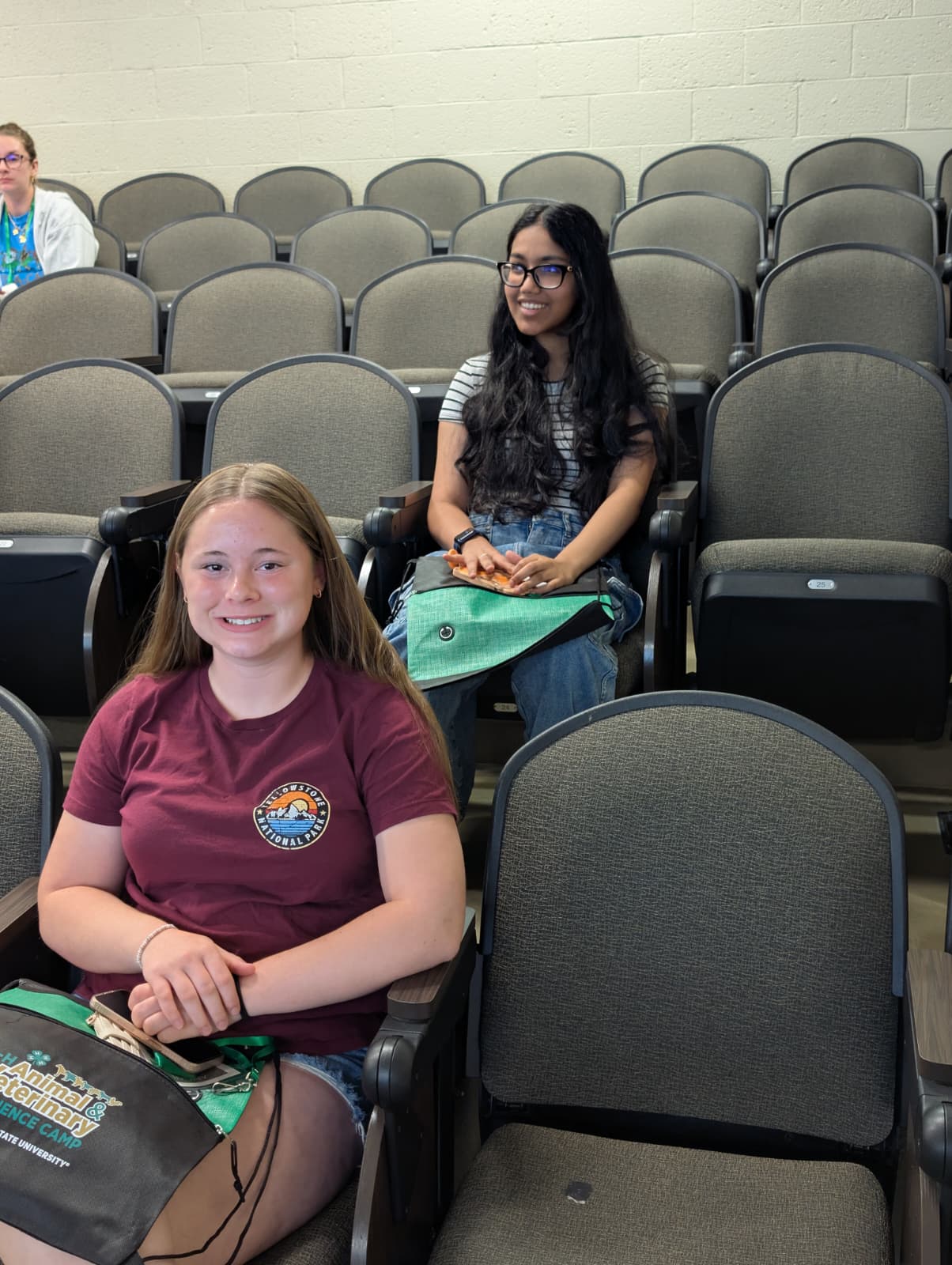
Shal presented current statistics on the race and gender breakdown for U.S. veterinarians, then asked the students to participate in an exercise called "Who's in the room?" that put those statistics in sharp perspective. She told them to look around the room and ask themselves whether the numbers she had just presented "hold."
One of the White female students volunteered that had the students not participated in the exercise, they might not have believed the stats.
Shal asked the students why they thought representation might matter in veterinary medicine. One student responded that it is important for the veterinarian be able to relate to the client with the animal to be treated, which led to a discussion on cultural diversity.
The students were then exposed to the reality of the veterinary workforce crisis in the United States and told how this is a leading cause of the emotional challenges veterinary professionals face.
For this session, the three takeaways for the students were the importance of
1) role models who can encourage underrepresented youth to imagine themselves entering the field of veterinary medicine,
2) cultural diversity, so people from marginalized communities can feel that their veterinarian understands how their culture views animals and trust the vet to provide treatment, and
3) understanding that pursuing a career in veterinary medicine will make them part of the future generation of leaders that is desperately needed in our society and that equitable representation will help combat the workforce crisis.
WHAT'S NEXT
After the successes experienced during our 2025 pilot and the 2026 MSU 4-H Animal and Veterinary Science Camp, WIF is excited to propose the full, three-hour Mindfulness with the Majestics experience for students attending the camp next year.
We look forward to advancing the mission of our Youth Veterinarian Initiative and extending its influence through this joint effort.
To support the continued expansion of this program, click on the button below and give!